Source modern basalt lava stone mosaic for walls floors ceilings
Find 30 listings for modern basalt lava stone mosaic suitable for kitchen, bathroom, and living room applications. Buyers can compare sizes, finishes, and prices from verified Chinese manufacturers offering custom options.
Key considerations
Products List




Comprehensive Sourcing Guide
Modern Basalt Lava Stone Mosaic Sourcing Guide
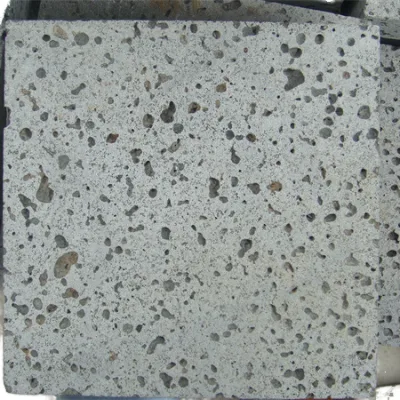
Sourcing natural stone mosaics requires a disciplined approach to balancing aesthetic intent with technical performance. Modern basalt lava stone offers a distinct visual profile characterized by its dark, earthy tones and textured surface, making it a popular choice for contemporary interior and exterior design projects. Buyers must navigate a market where terminology can vary, with products often listed under names such as grey basalt mosaic, black basalt stone, or bluestone. Understanding these naming conventions is critical to ensuring that the material received matches the design specification, particularly when dealing with suppliers who may use generic descriptors for specific volcanic rock types.
The procurement process for basalt mosaics involves verifying material authenticity, surface finish consistency, and dimensional accuracy. Unlike manufactured tiles, natural stone exhibits inherent variations in color and grain, which can be either a desired aesthetic feature or a quality control challenge depending on the project requirements. This guide provides a structured framework for evaluating suppliers, interpreting technical specifications, and managing commercial risks associated with importing natural stone products from major manufacturing hubs. By focusing on verifiable data points and standard industry practices, buyers can make informed decisions that align with both budgetary constraints and design goals.
Product Scope and Observed Listing Signals
The current market for basalt mosaics presents a wide range of product configurations, with observed price points varying significantly based on size, finish, and order volume. Listings indicate a price range from approximately $5.35 to $190 per unit, reflecting the diversity from small-scale decorative samples to bulk commercial shipments. Minimum Order Quantities (MOQs) are typically structured around square meterage, with observed ranges spanning from 10 to 500 square meters. This variability allows for flexibility in procurement, enabling buyers to start with smaller trial orders or commit to larger volumes for extensive renovation projects, though higher volumes often correlate with more favorable unit pricing.
Product attributes observed in the market highlight a strong emphasis on customization and specific aesthetic styles. Many suppliers offer products in an American style with a focus on white, grey, black, and beige color systems, although the core keyword suggests a preference for darker basalt tones. Sizes are frequently standardized, with common sheet dimensions including 305x305x10mm, 600x600mm, and 300x600x20mm, while individual grain sizes within the mosaic sheets can range from 10x10mm to 48x48mm. Buyers should note that while some listings describe the shape as irregular, others specify square or tile forms, indicating that the final appearance can vary based on the specific mosaic pattern and cutting technique employed by the manufacturer.
Technical Specifications to Verify
Dimensional accuracy and thickness are primary technical factors that influence installation success and material cost. Basalt mosaics are commonly available in thicknesses of 8mm and 18mm, with some larger format tiles reaching 20mm. The choice of thickness often depends on the application; thinner sheets may be preferred for wall cladding to reduce load, while thicker tiles are suitable for high-traffic floor applications. Buyers must verify the exact thickness tolerance, as natural stone can vary from the nominal specification. Additionally, the grain size within the mosaic sheet, ranging from 10x20mm to 25x48mm, affects the visual texture and the complexity of the installation process, requiring careful planning for grout line spacing and alignment.
Surface finish plays a crucial role in both the aesthetic appeal and the functional performance of the stone. Available finishes include polished, honed, flamed, bushhammered, and sandblasted options, each offering distinct visual and tactile qualities. A polished finish provides a sleek, reflective surface suitable for modern interiors, while a flamed or bushhammered finish enhances slip resistance, making it ideal for outdoor or wet area applications such as bathrooms and kitchens. Buyers should request physical samples to assess the consistency of the finish across the batch, as natural variations in the basalt grain can affect how the finish appears under different lighting conditions.
Compliance and Safety Documentation
Certification is a critical component of the procurement process, ensuring that the stone products meet international safety and quality standards. Common certifications observed in the market include CE, SGS, TUV, and ISO, which indicate compliance with European and global regulatory requirements. These certifications cover various aspects of product performance, including durability, chemical resistance, and safety for specific applications. Buyers should request valid certification documents from suppliers and verify their authenticity, as these documents are essential for customs clearance and project approval in many jurisdictions.
Quality grading is another important documentation aspect, with products often classified as first grade or A grade. This grading system reflects the absence of significant defects, such as cracks, pits, or color inconsistencies, which can compromise the integrity and appearance of the installation. Buyers should clarify the specific criteria used by the supplier to determine the grade, as definitions can vary between manufacturers. Additionally, understanding the density of the stone, which is observed to be around 2.65 g/cm³ for some basalt products, can provide insights into the material's durability and resistance to weathering, particularly for exterior applications.
Cost Drivers and Commercial Terms
Several factors influence the total cost of basalt mosaic procurement, including material quality, packaging, and logistics. The use of high-quality basalt, combined with precise cutting and finishing processes, contributes to the base price of the product. Packaging methods, such as carton with pallets or wooden crates, also impact costs, as robust packaging is necessary to prevent damage during transit. Buyers should consider the total landed cost, which includes shipping, insurance, and import duties, rather than focusing solely on the unit price. Negotiating favorable terms for packaging can reduce the risk of damage and associated replacement costs.
Delivery time and payment terms are key commercial considerations that affect project timelines and cash flow. Standard delivery times are often cited as within 25 days, but this can vary based on order volume and production schedule. Buyers should confirm the lead time with the supplier and include buffer periods in their project planning to account for potential delays. Sample availability is another important factor, with many suppliers offering free samples to allow buyers to evaluate the product before placing a large order. Utilizing samples can help avoid costly mistakes and ensure that the final product meets the project's aesthetic and technical requirements.
Supplier Qualification and Quality Control
Evaluating supplier capability is essential for ensuring a reliable supply chain. Buyers should assess the supplier's production capacity, quality control processes, and experience in exporting natural stone products. Suppliers with established certifications and a track record of fulfilling large orders are generally more reliable. It is also important to verify the supplier's ability to handle customization requests, such as specific sizes or finishes, as this can impact production efficiency and cost. Engaging with suppliers who have a clear communication channel and responsive customer service can facilitate smoother transactions and issue resolution.
Quality control measures should be implemented throughout the procurement process, from sample approval to final shipment. Buyers should request detailed inspection reports and photos of the products before shipment to verify that they meet the agreed-upon specifications. Implementing a third-party inspection service can provide an additional layer of assurance, particularly for large orders. Establishing clear acceptance criteria for color variation, dimensional tolerance, and surface finish in the purchase agreement can help manage expectations and reduce disputes. Regular communication with the supplier during production can also help identify and address potential issues early in the process.
Long-Term Procurement Checks
Maintaining a sustainable and efficient procurement process requires ongoing evaluation of supplier performance and market trends. Buyers should regularly review supplier reliability, including their ability to meet delivery deadlines and maintain consistent quality. Building a long-term relationship with a trusted supplier can lead to better pricing, priority production scheduling, and improved support. Additionally, staying informed about changes in material availability, certification requirements, and industry standards can help buyers adapt to market shifts and mitigate risks.
Continuous improvement in procurement practices involves analyzing past orders to identify areas for optimization. This includes reviewing cost structures, logistics efficiency, and quality outcomes to refine future purchasing strategies. Buyers should also consider the environmental and social impact of their sourcing decisions, as sustainability is increasingly important in the construction industry. By adopting a strategic approach to procurement, buyers can ensure that their basalt mosaic projects are completed successfully, within budget, and to the highest quality standards.
FAQs
What certifications do the basalt mosaic tiles have?
The basalt mosaic tiles hold CE, SGS, TUV, and ISO certifications. These documents verify compliance with international safety and quality standards for stone products used in various construction applications.
Can I customize the size of the mosaic sheets?
Customization is available for the mosaic sheets to meet specific project requirements. Buyers can request dimensions such as 305x305mm or other sizes based on the irregular grain patterns and sheet specifications provided.
What is the minimum order quantity for these tiles?
The minimum order quantity varies between 200 square meters and 500 square meters depending on the specific product variant. Buyers should confirm the exact MOQ with the supplier before placing an order.
How long does it take to deliver the stone mosaics?
Delivery typically occurs within 25 days after the order is confirmed. This lead time applies to standard orders and may vary based on the specific customization or packaging requirements selected by the buyer.
Which finishes are available for the basalt stone tiles?
Available finishes include polished, honed, flamed, bushhammered, and sandblasted surfaces. These options allow buyers to select the appropriate texture and aesthetic for walls, floors, or ceilings in different environments.
What is the thickness of the standard mosaic tiles?
The standard thickness for the mosaic tiles is 8mm, though 18mm and 20mm options exist for specific applications. Buyers should verify the exact thickness required for their structural and design needs.
Are samples available for testing the stone quality?
Free samples are available for buyers to test the quality and appearance of the stone. This allows purchasers to verify the first-grade quality and color consistency before committing to a larger order.